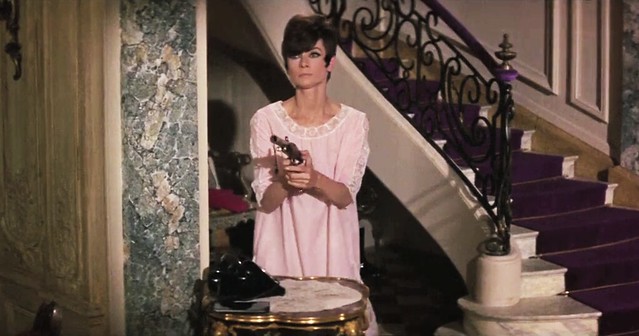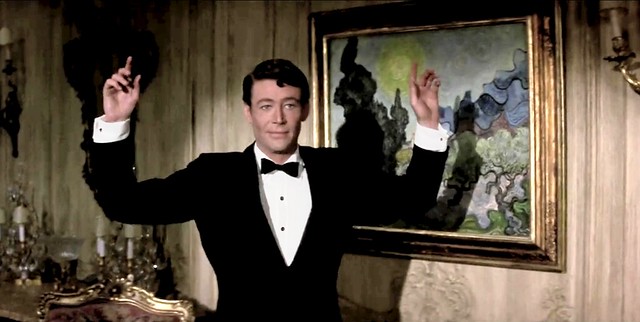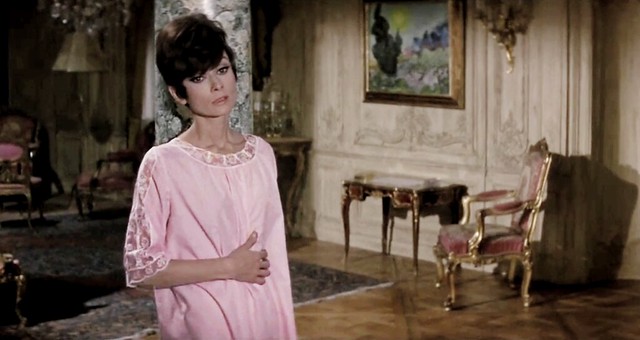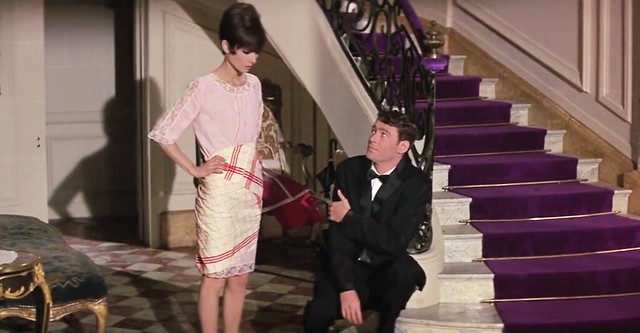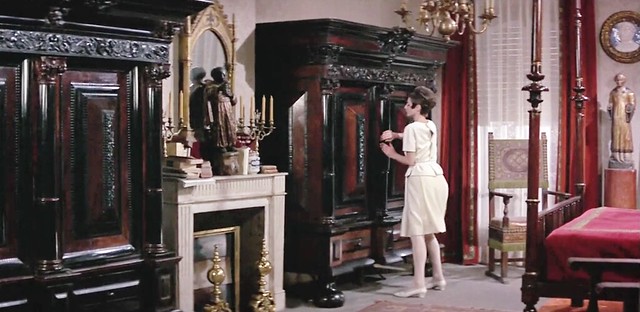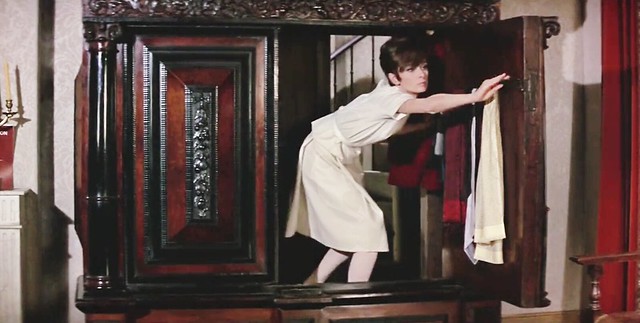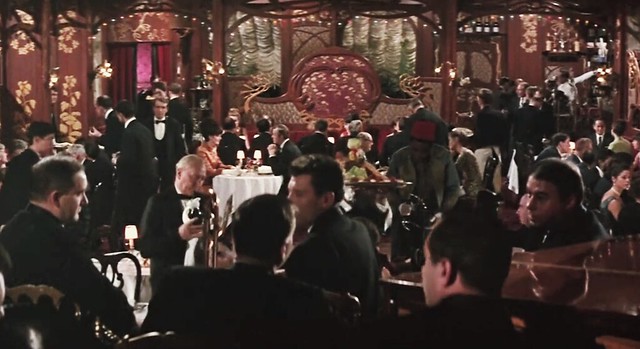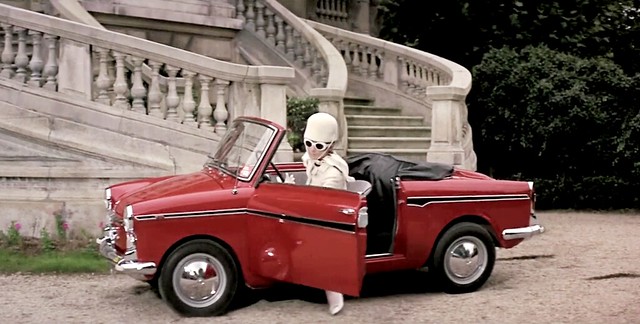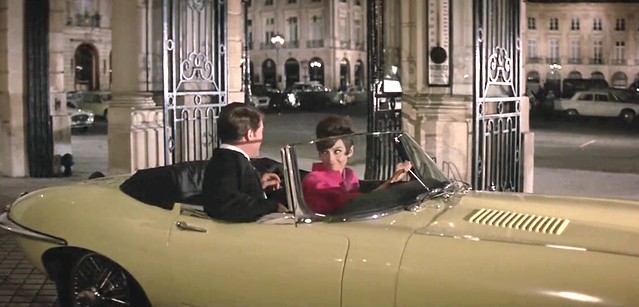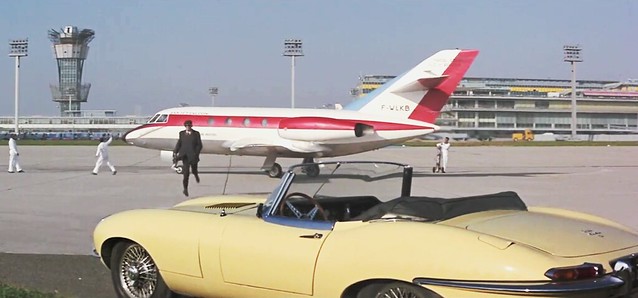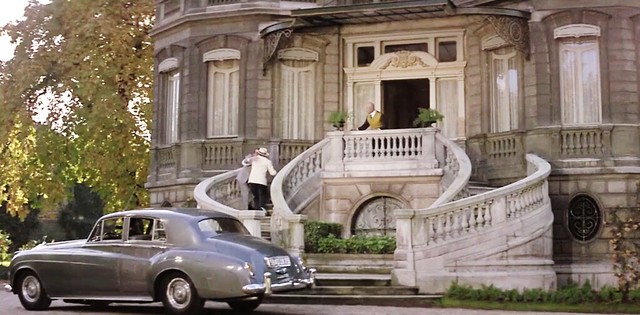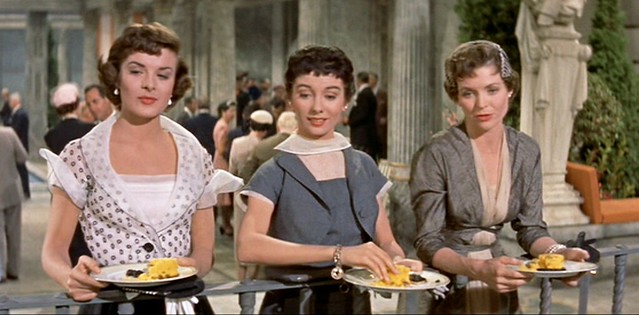
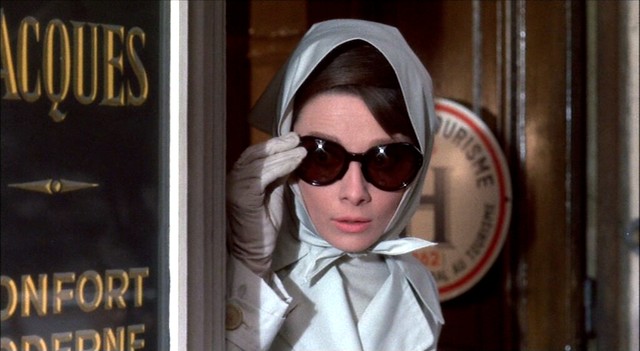
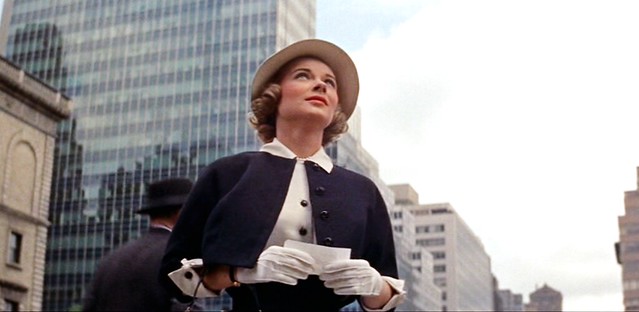
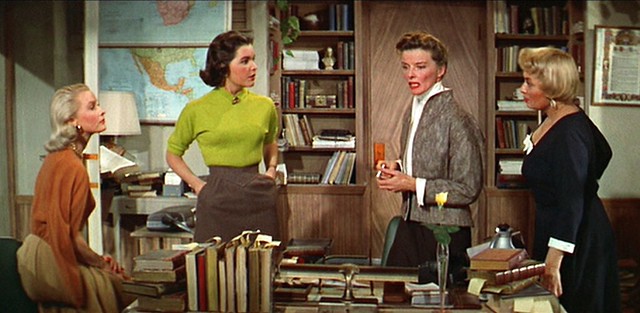
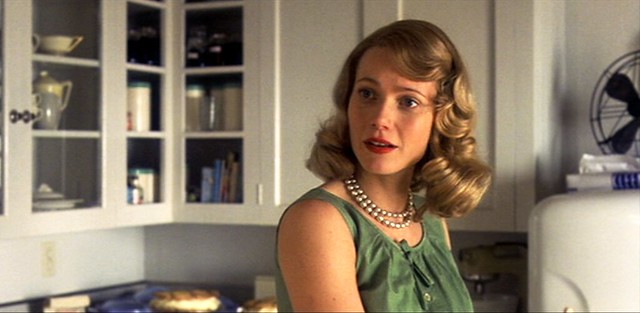
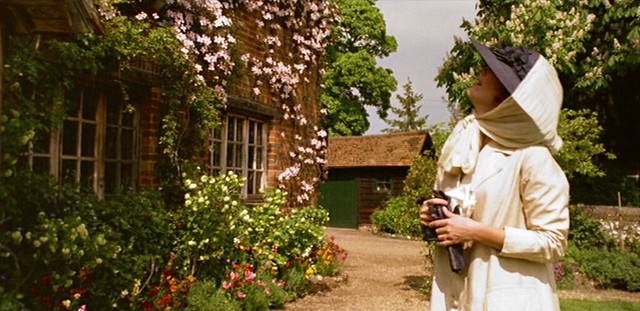
Three Coins in the Fountain (1954)
Maggie McNarmara, Dorothy McGuire, and Jean Peters star in this Academy Award nominated film about three American secretaries working abroad in Rome, Italy.
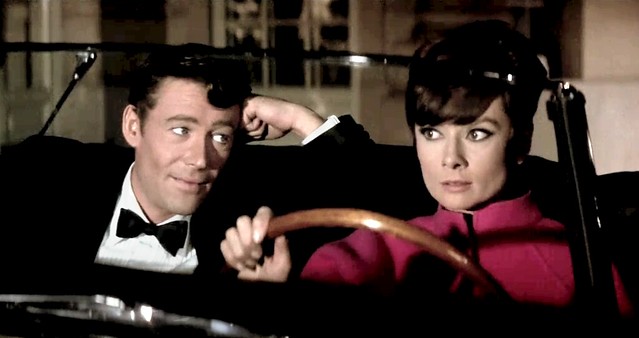
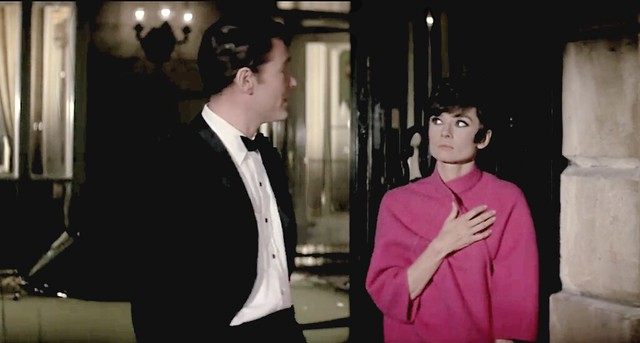
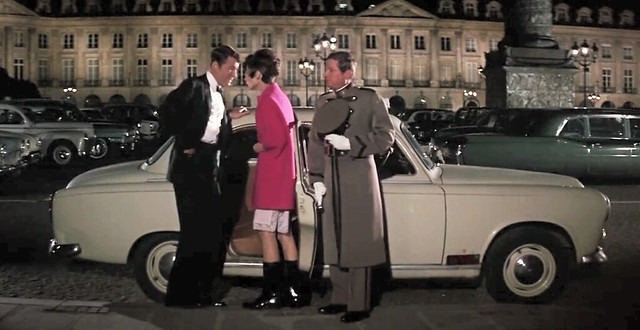
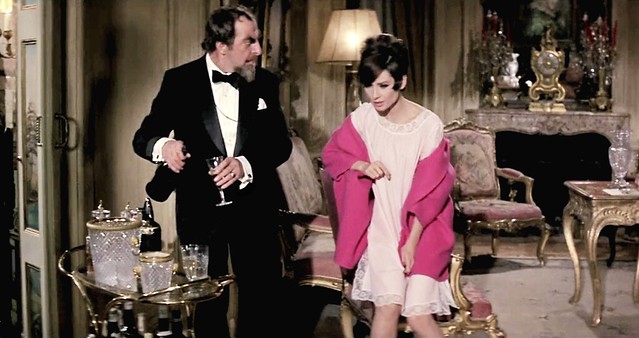
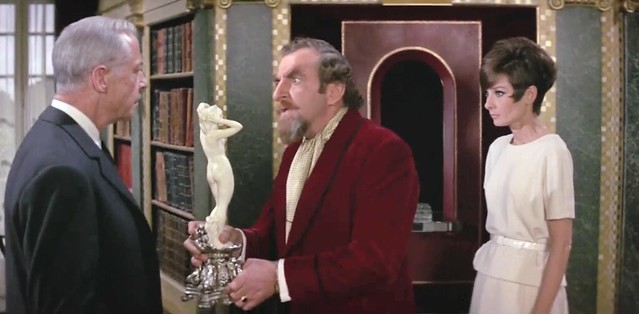
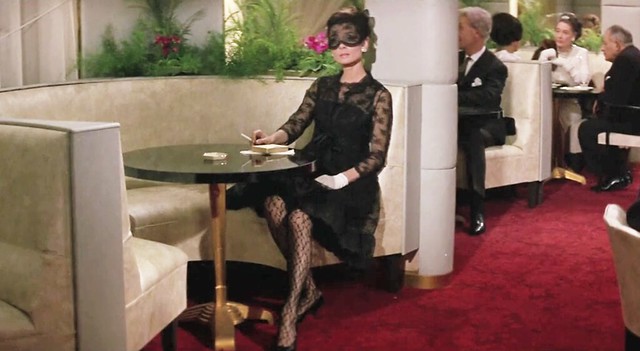
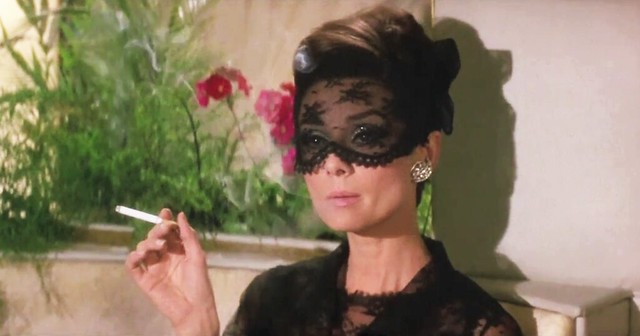
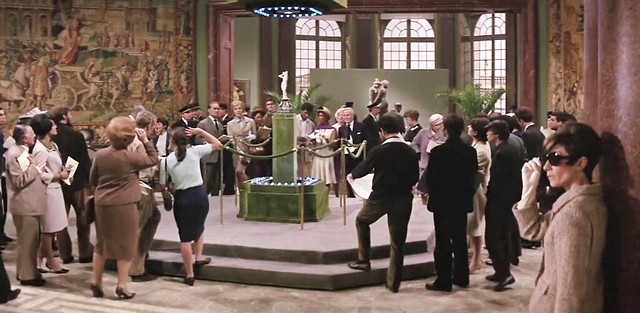
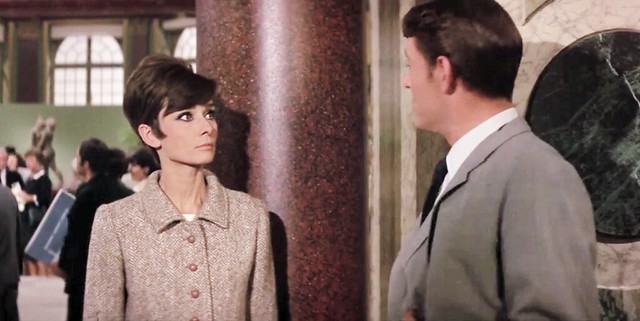
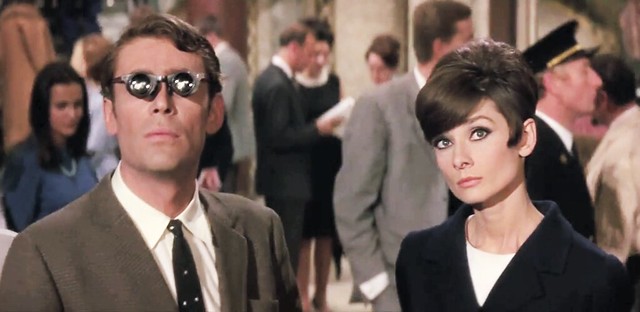
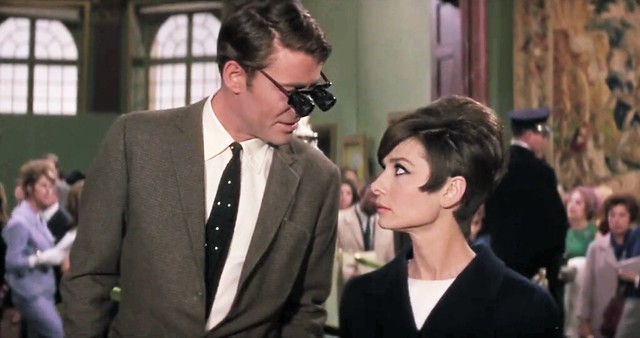
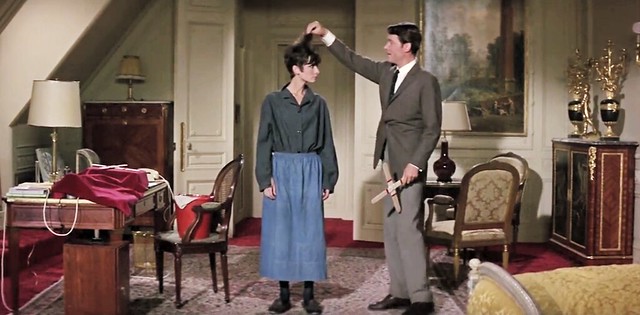
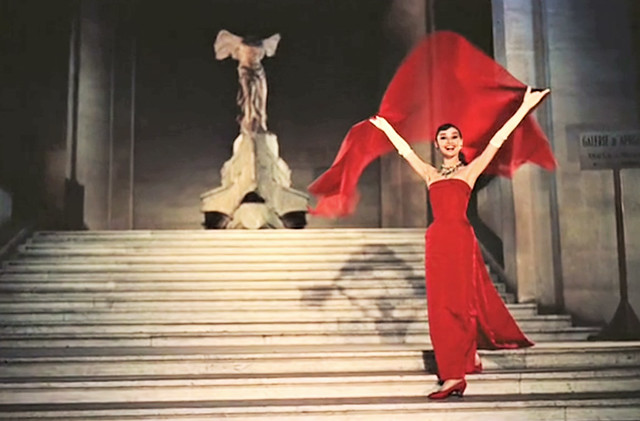
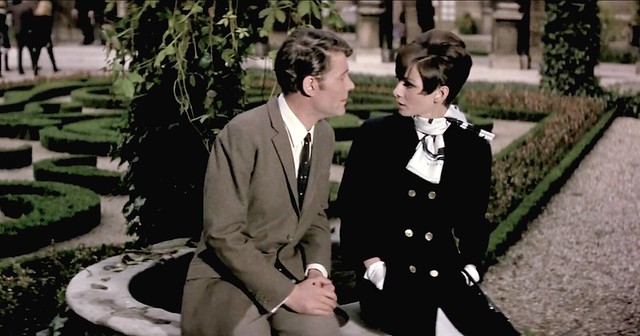
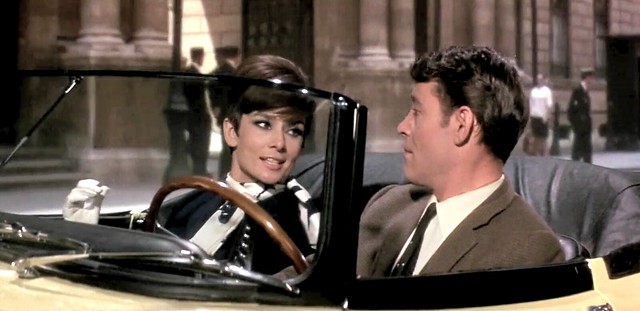
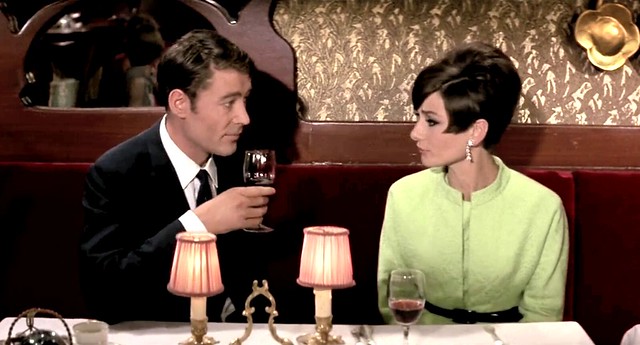
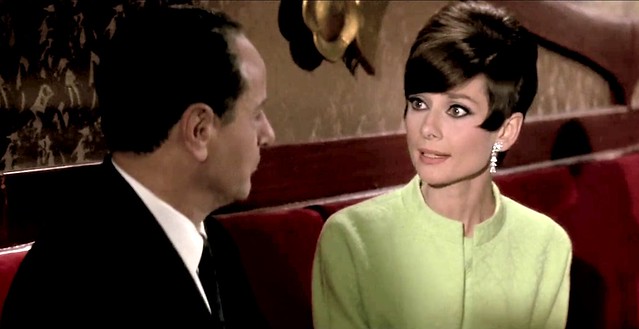
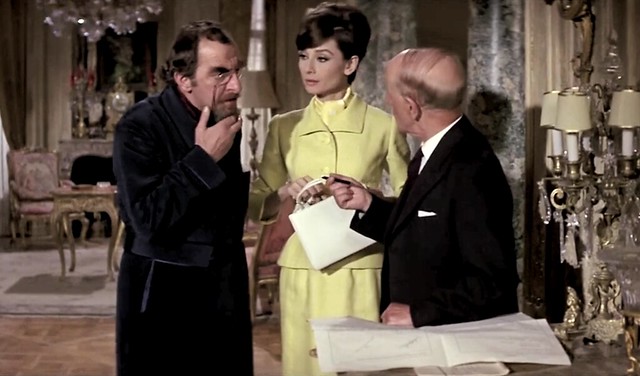
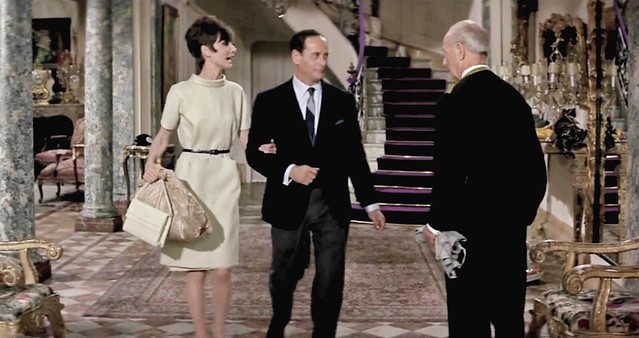
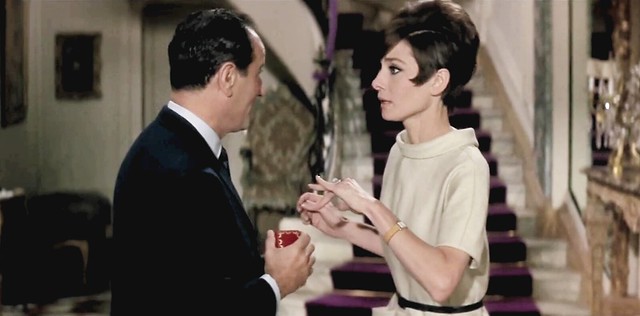
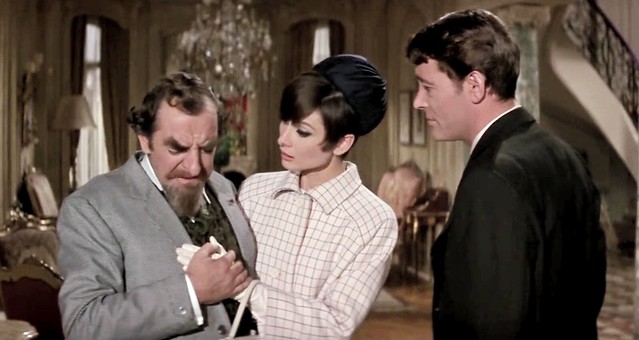
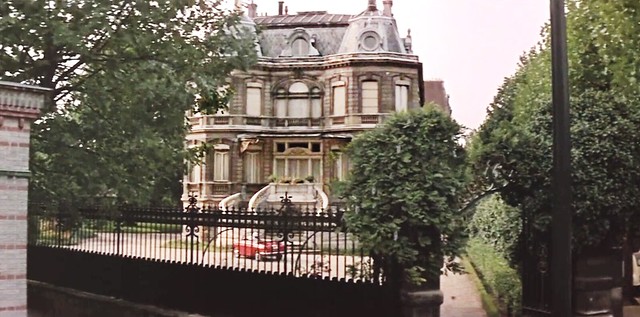
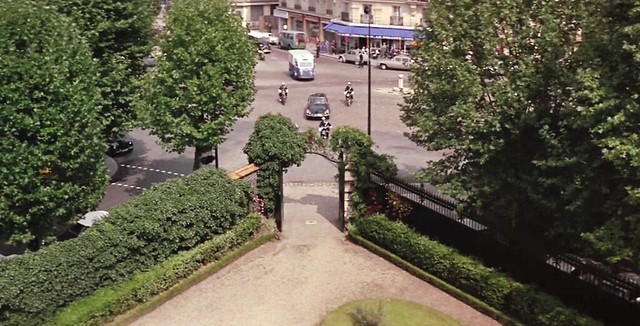
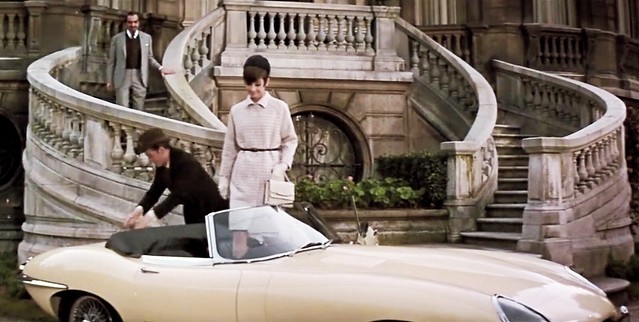
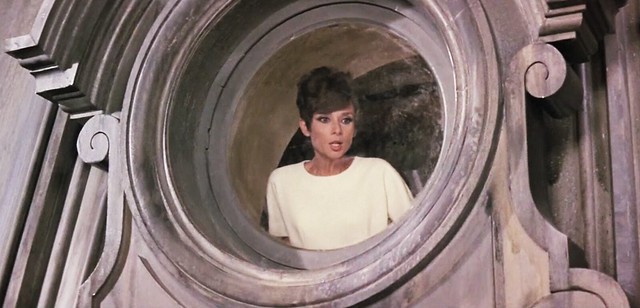
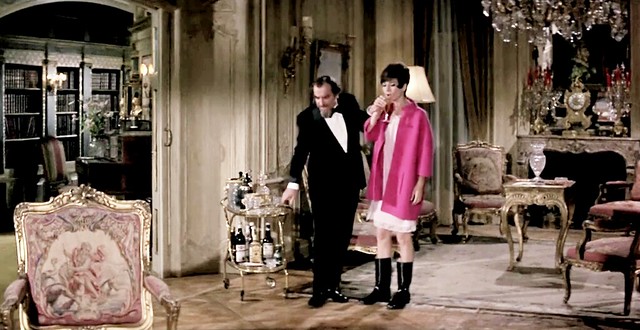
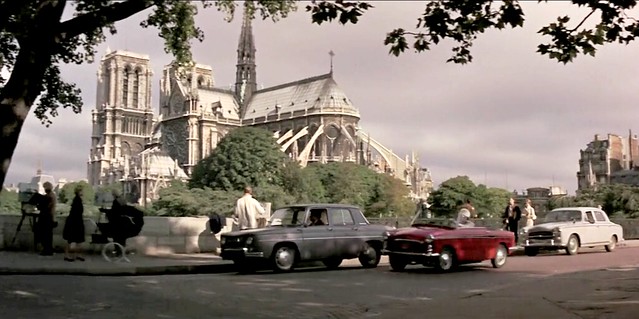
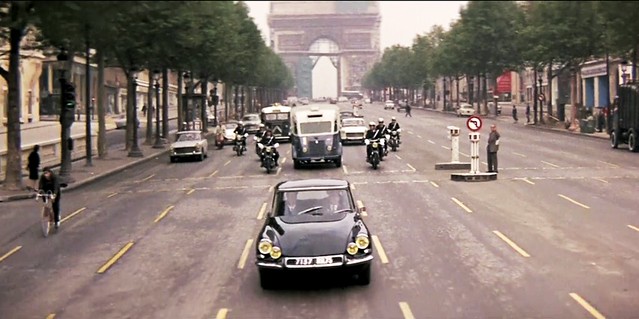
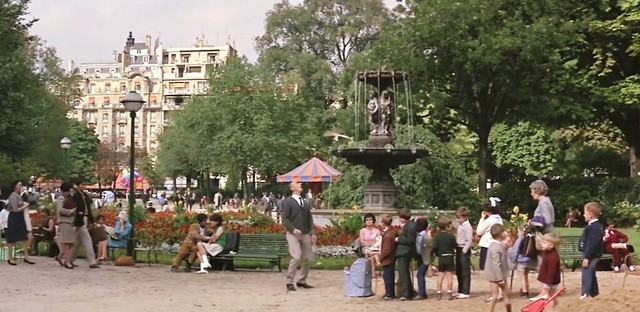
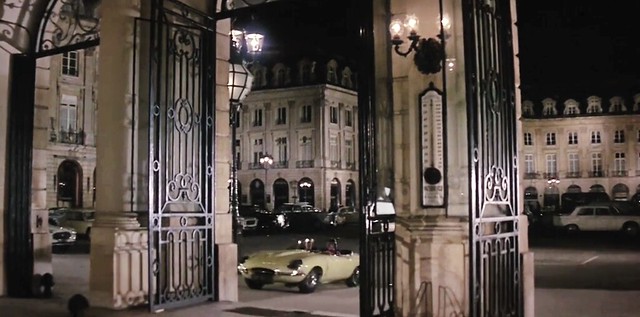
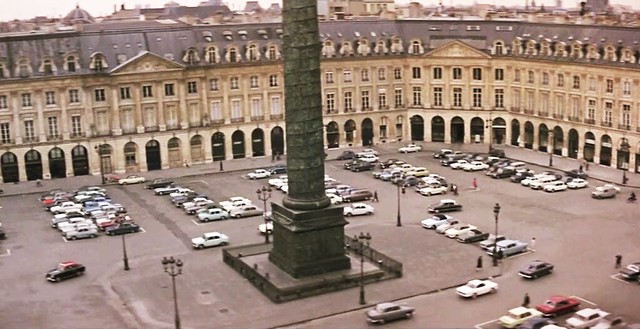
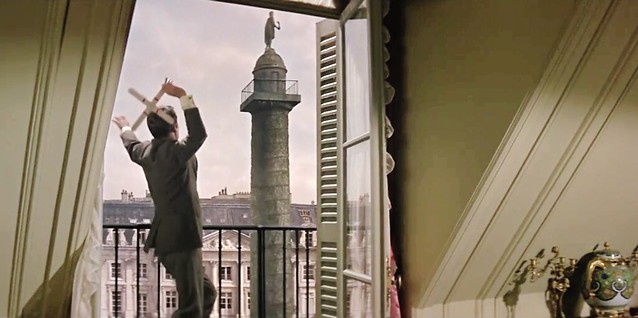
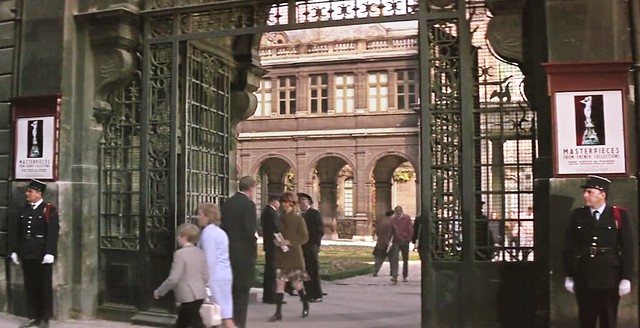
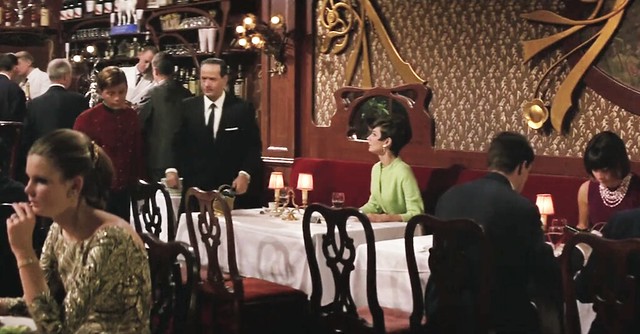
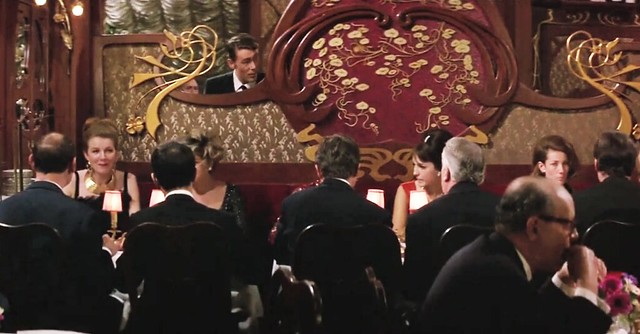
Charade (1963)
Audrey Hepburn and Cary Grant star in this delightful romantic comedy involving spies and missing money. Set in Paris. Walter Matthau also makes an appearance as a CIA agent.
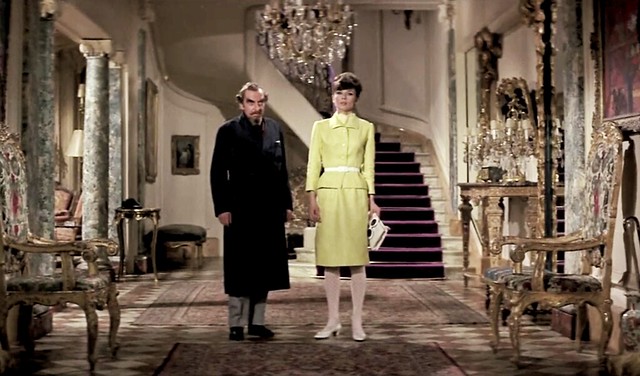
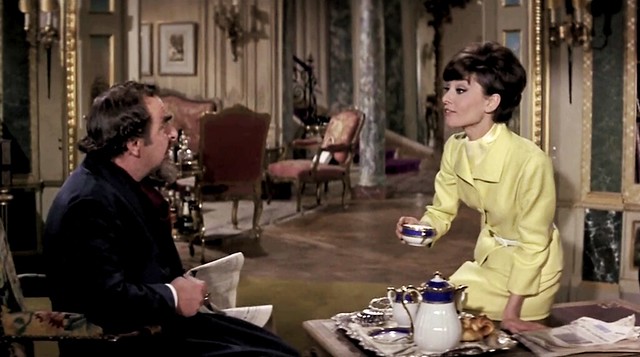
The Best of Everything (1959)
Original tagline: "These are the girls who want the best of everything...but often settle for a lot less!" Mid-century drama following the lives of three young career women living in New York City.
High Society (1956)
Bing Crosby, Grace Kelly and Frank Sinatra star in this delightful musical comedy remake of the beloved classic The Philadelphia Story (1940).
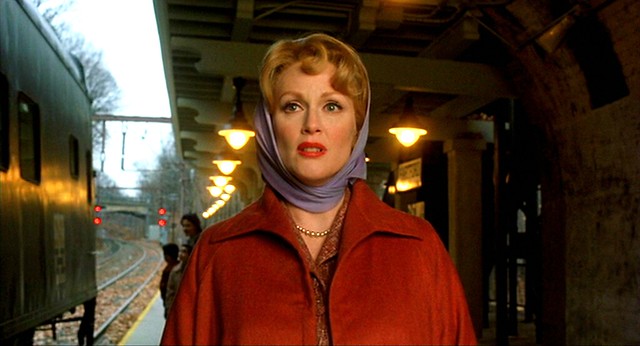
Far From Heaven (2002)
Set against a spectacular autumn palette, Juilanne Moore, Dennis Quaid, and Dennis Haysbert star in this compelling drama which grapples with issues of race and homosexuality in conservative 1950s Connecticut.
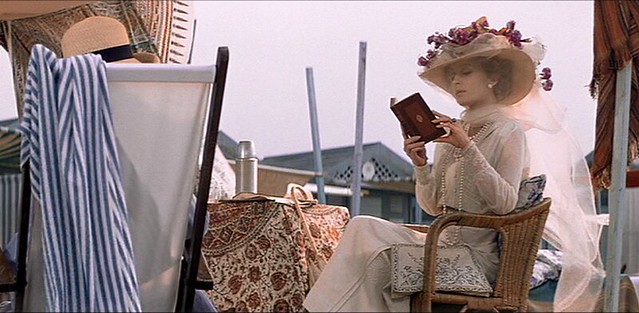
Death In Venice (1971)
An aging German music composer sojourns to Venice in hopes of improving his health and finds himself enraptured by the beauty of a young adolescent boy. A visually mesmerizing film.
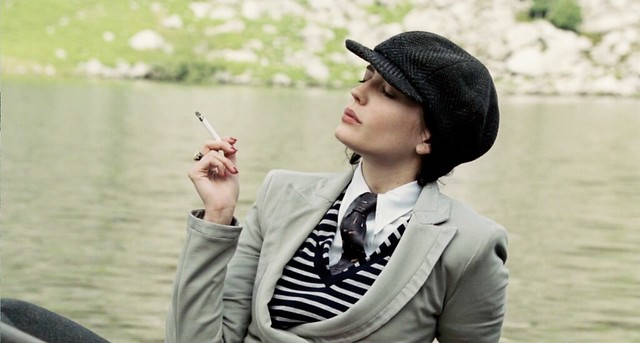
Cracks (2009)
Based on the novel of the same name, Eva Green stars as a young, charismatic teacher at an all-girls English boarding school.
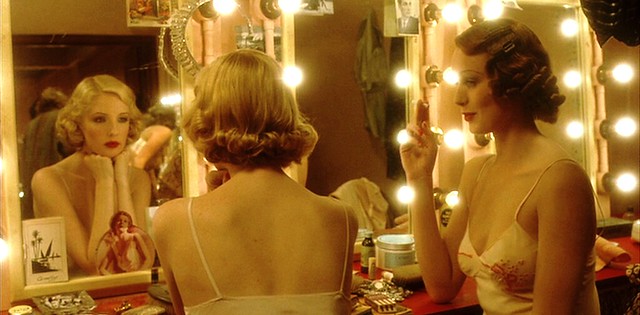
Mrs. Henderson Presents (2005)
Based on the true story of the Windmill Theatre in London, Judi Dench stars as a wealthy, eccentric widow who purchases a theatre and turns it into a somewhat Moulin Rouge-esque venue that featured nude performers.
Desk Set (1957)
The introduction of computer technology renders the reference jobs of three women potentially useless. Stars Katherine Hepburn and Spencer Tracy.
Sylvia (2003)
A biopic of writer Sylvia Plath set in the 1950s starring Gwyneth Paltrow and Daniel Craig.
Howard's End (1992)
Emma Thompson, Anthony Hopkins and Helena Bonham Carter star in this E.M. Forster classic set in turn-of-the-century England.
April 12, 2012
March 5, 2012
The Roman Spring of Mrs. Stone (1961)
-- As someone who has never been keen on oversharing through social media, I have surprisingly gotten addicted to Instagram. My handle is "altlee". To view instagram photos on your desktop (instead of phone), I recommend ink361 and web.stagram.
-- I started writing this post a week before the Oscars but had to stop and didn't get the chance to come back to it until now. My, how the days do fly by! In order to save time, I figured it would be best to just post it as it was originally written (better late than never, right?) so please excuse the write-up's chronologically erroneous language.
-- And lastly, I really want to thank all of you for continuing to come back to this shoddy little blog despite its infrequent updates, lack of organization, and haphazard (and many times, in retrospect, cringe-worthy) commentary. Also, thank you so much for your comments and contributions regarding the historical details of the costumes, sets, and everything else featured here. This has been a thoroughly wonderful learning experience for me (I started off not even knowing that a cape can be attached to a coat and now words like "bias cut" and "Norfolk jacket" are actually in my vocabulary!) and I just wanted to say again how much I appreciate your input.
Alright, now to the actual post!
- - -
The great and incomparable Vivien Leigh, star of some of the most iconic characters in cinema history - Scarlett O'Hara in Gone with the Wind (1939) and Blanche DuBois in A Streetcar Named Desire (1951) - married for twenty years to the equally legendary Laurence Olivier and to whom my dearest Maman dedicated one of my middle names, has been on my mind a lot lately, in part due to the the impending Academy Awards that are set to take place this coming weekend but also because those lovely folks over at Turner Classic Movies (kindred spirits, I secretly refer to them as) have been running a month-long "31 Days of Oscar" series that routes itself to ancient Rome this week.
Never quite the avid scholar of Ancient Classics, when on the subject of Rome, my mind conjures up instead images from Hollywood's love affair with the city, and with the entire country of Italy for that matter, and I start to wax nostalgic films like Roman Holiday (1953) and Three Coins in the Fountain (1954, see my post here). Another mid-century film set in Rome that probably doesn't get nearly as much mention as it should is The Roman Spring of Mrs. Stone (1961) starring no other than the aforementioned Ms. Leigh and the then newly anointed "It Boy" Warren Beaty, who - that same year - was nominated for a Golden Globe for his performance in the critically acclaimed "coming of age" story Splendor in the Grass (1961) with Natalie Wood.
The Roman Spring of Mrs. Stone was based on a novel of the same name by Tennessee Williams and the story centers around a renowned but aging actress at the so-called "end" of her career (despite only being middle aged) who, after the sudden death of her husband from a heart attack, retires to Rome to cope with her loss and eventually takes on a younger lover to help fill her days.
Leigh was only 47 years old at the time of filming and one can easily draw parallels between her and her character, as Leigh was then also experiencing the "loss" of a husband (she and Olivier divorced that year) and her once indomitable star power seemed to be on its last breaths. It is perhaps less known that Leigh also suffered from manic depression (or bipolar disorder), a tormentous illness which she struggled all her life to conceal but whose devastating effects increasingly unraveled, ending her marriage to Olivier and contributing to the rapidly declining state of her mental and physical health. In his autobiography, Olivier wrote, "Throughout her possession by that uncannily evil monster, manic depression, with its deadly ever-tightening spirals, she retained her own individual canniness – an ability to disguise her true mental condition from almost all except me, for whom she could hardly be expected to take the trouble." On top of that, she also battled with recurring tuberculosis and in May 1967, while rehearsing to appear in Edward Albee's A Delicate Balance with Michael Redgrave, the disease reared its ugly head once again. On July 7, 1967, Leigh was found dead in her bedroom by her then lover and fellow actor John Merivale, lungs filled with water, at the age of 53. She was cremated and her ashes were scattered on the lake at her home, Tickerage Mill, near Blackboys, East Sussex, England.
The Roman Spring of Mrs. Stone was directed by José Quintero, with Production Design by Roger Furse, Art Direction under Herbert Smith and Costume Design by Beatrice Dawson (A Tale of Two Cities (1958), The Importance of Being Earnest (1952), Tom Brown's Schooldays (1951)). Leigh's character of the actress Karen Stone starts off dispirited, melancholic and in mourning, for the sudden death of her husband and perhaps more figuratively, for herself and for the ending of her career.
black dress, pearl necklace, and a large broach pinned to the collar, a style that is repeated frequently on later outfits.

Mrs. Stone's Rome apartment is tastefully decorated with traditional furnishings and punctuated with locally inspired accent pieces. It is a reflection of her sophistication but more significantly, shows off her "contained" sensibilities. It sets her apart from the myriad of wealthy, middle aged ex-pat women who have also found themselves in Rome with very little to do and who henceforth, develop a demand for young Italian lovers.

light blue-green vanity with gold trim.

goodness, that headboard!

It is then with a grain of salt that Mrs. Stone acquiesces to the notion of taking on a younger lover at the persuasion of her friend the Contessa (Lotte Lenya), who moonlights as a Madame and who (unofficially) runs an escort service that pairs wealthy middle aged women to handsome Italian men for "companionship."
The Contessa and Mrs. Stone, seated in the living room, interviewing Paolo for potential job of being her escort/lover.

In contrast to Mrs. Stone's subdued tastes, the Contessa's apartment is decked out in a stereotypical "bordello style" (bold reds, extravagant furnishings, etc).

Paolo reading the newspaper in an ornate chair with gold arms and legs.

black lace covered lampshade. small statues of naked men adorn the apartment.

Mrs. Stone starts off wearing mostly conservative, ladylike ensembles with minimal jewelry. This quickly changes after her relationship with the young Italian Paolo intensifies. She begins to wear richer, bolder colors and more body-hugging gowns. Amazing what a new lover can do for one's self-esteem, eh?
very ladylike in light blue-green tweed with beige accessories. i like the way her polka-dotted scarf is folded around her neck and tucked in under the jacket.

seafoam green outfit, with fringed collared jacket, gold locket necklace, and brown leather accessories.

casual neutral coloured riding outfit, with paisley scarf, jodhpurs, and cable-knit gloves. notice she wore a ring outside the gloves! could it be her wedding band? if so, this begs the question: did women back in the day have a larger version of their wedding bands made so they can be worn over gloves? i'm so curious!

HE-LLO!

richly patterned scarf, large black stoned cocktail ring, multi-stranded pearl bracelet

coral coloured outfit with pearl necklace, gold broach on jacket collar and beige gloves. loverboy is tanning on the rattan chaise in the background.

glamourous muted gold satin jacket. i love how she consistently wears multiple bracelets and (multi-stranded or double/triple wrapped pearl bracelets) on one arm.

glamourous evening outfit: muted gold satin shawl and practically dripping in pearls, diamonds, and citrine jewels.

beautiful pearl earrings and necklace set.

breathtaking blue-teal damask opera jacket, multi-strand pearl necklace, large broach, and ivory gloves.


light olive grecian gown

the back of the dress:

magnificent necklace featuring different coloured pearls

lovely lavender dress

the back of the dress

Now here are some other miscellaneous outfits worn by the other characters in the movie:
The Contessa: feathers on the head, a tiny fox around her shoulders, and gold bracelets worn outside her sheer black gloves. over-the-top, yes, but i love it.


It seems a night out on the town requires one to be as bejeweled as possible.

i like the dark olive tie and gray suit combination on the older gentleman.

love the bedazzled (sequined) collar on this royal blue sleeve-less top.

gray fur shawl, periwinkle satin gown. love how these ladies would wear obtrusive, dark rimmed glasses with their gowns.

another insistance of the gray fur shawl, this time paired with a bright red hat.

And finally, here are two more miscellaneous images of the set. The first is of Mrs. Roman Spring's pink-heavy ultra feminine bathroom and the second is of her late husband's bedroom in England.

i really like the forest green with light olive-gray striped wallpaper, the handsome wood headboard, and the sleek black lampshade. it's all very masculine but also very stylish.

This is a great lost gem of a film that I highly recommend for any Vivien Leigh fan. Her performance was subtle, refined, and even a bit heart-wrenching to watch for those aware of her personal situation at the time of filming. It is not a light-hearted piece and will not leave you enraptured with a silly smile on your face like Roman Holiday but it is definitely worth a viewing.
December 7, 2011
Do Not Disturb (1965)
I adore Doris Day and her films never fail to lift my spirits and make me laugh. My favorite quote about her was by Oscar Levant who famously quipped, "I'm so old, I knew Doris Day before she was a virgin!" This was a reference to the tendency of her characters to have been chaste, naive, clumsy and school-girlish, even in situations where they were married.
My favorite films of hers include The Glass Bottom Boat (1966), Pillow Talk (1959), It Happened to Jane (1959), and Please Don't Eat the Daisies (1960) but I figured I'd pull out a lesser known film of hers to showcase here. Do Not Disturb (1965) takes it all across the pond to England, where married couple Janet (Day) and Mike Harper (Rod Taylor) must relocate after Mike's company transferred him to London.

So here's the brief synopsis: After moving to England, Janet and Mike Harper rent a house in the English countryside, which Janet promptly sets to redecorating. Meanwhile Mike spends most of his time working at his London office, surrounded by beautiful women and attending lavish parties thrown by his boss. Feeling alone and neglected, Janet flirts with the handsome antique dealer Paul (Sergio Fantoni) whom she hires to help her redecorate the house. They fly to Paris to check out an antique table and while dining at a bistro, Janet gets a little too drunk and passes out. Paul then takes her back to his office, where they accidentally get locked in for the night. Mike hears of the trip, immediately takes the next flight to Paris, and predictably, discovers the two together. Arguments and threats of divorce ensue! Hilarity abounds.
Now - the fashion!
Is that a classic quilted Chanel handbag? Methinks it could be! Also, I think gloves need to make a come-back.

Love this brown leather tote with the center buckle.

White peacoat with orange sequin dress underneath.

Adorable ivory cape-coat lined in brown fabric with white polka dots. The bowler hat is cute too.


More white. Love how she wore the scarf "backwards".

That aubergine outfit (center) is delicious.

Awkwardly tall hats seemed to have been quite fashionable back in the day...


Brown and green tweed with plaid. How English.

Sometimes I'd like to fantasize ending up like Iris Apfel in my old age, adorned with big colourful necklaces and bracelets and draped in luxurious silks, and becoming the embodiment of an eccentric grand dame. But chances are, I will probably end up like this, clad in boring brown tweed, clumsily balancing no less than three cameras and five newspapers while attempting to make a point that matters to no one except meself:

Also, having just returned from Beijing, it would be wrong of me not to notice this pretty chinoiserie print screen.

So if you're in the mood for a light-hearted romantic comedy, look no further than Doris Day's arsenal of films. When I suggested this to a friend of mine recently, she wrinkled her nose in protest. "I don't get why other people think she was so great. She wasn't even that pretty and her characters' were always so clumsy and annoying." Her comment made me remember that I felt similarly "confused" many years ago, when I first chanced upon her movies during a TCM marathon. The first movie I saw her in was That Touch of Mink (1962), where Day's character spent the whole time desperately perserving her virginity from the seductive claws of Cary Grant, a premise which I considered dispiriting nonsense since she just looked way too old to play a virgin. I remember thinking to myself "Who is this average looking, rough-around-the edges woman who keeps starring alongside dashing leading men? Why would Cary Grant's character be interested in her and not in a starlet like Ann-Margret instead?" Furthermore, my narrow-minded 12-year old self at the time lumped all "classic" actresses together under the requirement that they had to be breathtakingly beautiful, alluring, graceful and charismatic in the manner of Marlene Dietrich, Ava Gardner, Rita Hayworth, Audrey Hepburn, etc. Reared on the dramas of the '30s-40s, I actually got uncomfortable watching an actress blunder uncoordinatedly through a movie, repeatedly making all sorts of humiliating and awkward social gaffes, like the way Doris Days' characters frequently did. My adolescent self, who spent her spare hours pouring over Vogue and idolizing elegance, was so embarrassed for her. These were not the kinds of characters that I wanted to model myself after and thus, promptly dismissed her films as ridiculous and unworthy.
But then I grew up! matured, expanded my film watching repertoire, learned more about Doris Day, and a decade later, revisited her films with fresh eyes and quickly developed a newfound appreciation for their entertainment value. Now I absolutely adore her and her movies. My adoration further deepened after I discovered that her real life stood in stark contrast to her squeaky clean, all-American, girl-next-door image. Unlike her characters who always ended up in happily-ever-after relationships, the men in Day's personal life were not quite so pleasant. Among them included one who physically abused her and another ran off with her money and left her bankrupt. [3] Day's real life was messy, complicated and traumatic so the cheerful innocence of her characters took on even greater significance for me: that despite everything, she still managed to maintain that determinedly sunshine-y and upbeat of a public image was nothing less than a monumental feat. I watch her movies now with a certain sympathy--even the occasional empathy--but also a kind of gratitude for their slapstick and silliness, which never fail to make me smile. And sometimes, a girl just needs a good laugh, or a roaring guffaw.
November 30, 2011
The World of Suzie Wong (1960)
As I may have mentioned in the previous entry, I spent the latter half of this year begrudingly sequestered in Beijing, inhaling pollutants, dodging lawless bicyclists, and consuming foods of questionable safety. But what I neglected to admit was that even though I complained endlessly while there, two weeks back on this side of civility, I started to miss China. Like, a lot. Washbasins, barrels, man-made-lake sized volumes of miss. So much so that it looks like I’ll be moving back there in a few months and staying for a good portion of 2012.
In the meantime, I've been indulging in the newfound appreciation for my cultural heritage by hunting down films that feature China at its most stylish and among these include the undeniable 1960 Paramount classic The World of Suzie Wong.
The World of Suzie Wong is actually based on a 1957 book of the same name written by Richard Mason and has since been adapted into not only this hit film, but also a play and a ballet, and spawned various unofficial sequels. The storyline is as old as “the oldest profession” from which it draws its inspiration. Set in the 1950s, William Holden stars as the young Englishmen Robert Lomax who, after leaving the National Service, decides to temporarily squat in Hong Kong and try his hand at becoming an artist. He unwittingly takes up residence at a hotel/brothel and eventually falls in love with one of its most popular prostitutes, Suzie Wong (Nancy Kwan).
Now even though I've always loved this movie, it bears mentioning that my love for it comes with certain reservations, as the theme of "whore with the heart of gold" meeting a man of respectable status who thenceforth redeems her has never sat well with me, the same way that similar pictures such as Pretty Woman (1990), Moulin Rouge (2001), Mighty Aphrodite (1995), or even Pygmalion/My Fair Lady tend to leave a slight distaste in my mouth. But in lieu of hitting you with a longwinded feminist diatribe, I think it's better to just adhere to the purposes of this blog and focus on the costumes and art direction instead. And what glorious beauty lies in store for us on those fronts!

These are actual shots of the Hong Kong's Victoria Harbor! Many people may not realize that the city we know as Hong Kong actually consists of several islands, with "Hong Kong" officially referring to just one of them. Kowloon is the other well-known one, lying just north of Hong Kong Island and connected via ferries that shuttle people back and forth periodically throughout the day.

The first time Robert meets Suzie Wong is on one of these ferries.

Struck by her beauty, he starts to sketch her. (brain-fart: it just occurred to me that the semi-slang term "sketchy" could very well have been derived from guys who creep women out on public transport when they pull out a pen and notebook and start to sketch them. Yeah? Etymologically incorrect but it still kind of makes sense, no?)


Robert ends up renting a room at the Nam Kok Hotel, which was inspired by the real-life Luk Kwok Hotel located in Wanchai district. The Luk Kwok Hotel of the 1950s was torn down in the 1980s and reopened in 1990 as part of Hong Kong's first "office-hotel complex." The gleaming modern edifice that stands today is a far cry from the ramshackle structure that was once akin to this:


The atmosphere of the hotel's interior, particularly the bar area, is intoxicating! Dimly lit, enveloped in cigarette smoke, and festooned with all the expected ethnic ostentation of such establishments, it is precisely the kind of venue dispirited veteans and restless sailors like to retreat to for a night of unbridled revelry where a little money gets you a helluva lot.

Robert quarantines himself in a corner booth, more keen on studying and sketching the environment than partaking in the merriment.


And then Suzie Wong re-enters Robert's visual field, and subsequently, changes his life.


Perhaps the most drool-worthy aspect of this film is Suzie's collection of form-fitting qi-paos (aka cheongsams in Cantonese). This traditional Chinese dress was originally baggy and boxy. The more tailored design emerged in Shanghai in the 1920s as wealthy, society ladies sought a more form-fitting aesthetic to show off their figures (Shanghai was considered "the Paris of the East" during that era and while seeds of revolution were taking root in the north, Shanghai was still intent on partying it up). The high-necked, short-sleeved version with the revealing side slits became popularized as "the standard" shortly thereafter and the dress eventually became available in a variety of fabrics, affording lower classes the ability to adopt the fashion as well. The qipao suffered a period of decline as the Communist Revolution ultimately took hold of the Mainland with its egalitarian ideals and utilitarian fashions but the dress, brought over by Shanghainese emigrants, retained its popularity in Hong Kong.
While the Art Direction was under the management of John Box (Doctor Zhivago, A Passage to India, The Great Gatsby), the costumes were designed by Phyllis Dalton (Henry V, The Princess Bride). It's interesting to note that all of Suzie's qi-paos were of one, solid color, a distinction that sets hers apart from the multi-colored, multi-patterned qi-paos of her peers. Even today, most off-the-rack qi-paos are multi-colored and it's actually more difficult to find one that isn't!
Iconic red:

Robert hires Suzie out pose as an art model (instead of as a "companion," much to her dismay).

Lavender qi-pao, with matching lavender headband.

Complemented with beautiful green jade earrings.


Whoa, work it, woman!

Orange-coral colored qi-pao:


Gold sleeveless qi-pao:


Dark brown qi-pao:

Light tan qi-pao:

White qi-pao:


And my personal favorite: dark greenish-black with a slight sheen worn with sheer black gloves and a long double looped gold necklace. Breathtaking.


There are a few occasions when Suzie dons on something other than a qi-pao. Here she is unwittingly channeling Audrey Hepburn. Also, that white blouse is so Carolina Herrera.


Suzie in a more relaxed shirt, black tapered pants, carrying a straw tote/basket. Robert is getting a haircut from a street-side barber. And he's not too thrilled about it either.

Suzie in "peasant" clothes, with the stereotypical conical Asian straw hat.

In stark contrast, Suzie in an Empress costume!

The one time Suzie appears in "Western clothes." I'm not so fond of the blue monstrosity sitting on top of her head but the dress is okay.

Robert hates it. Demands she revert back to her old style.

Before moving onto the other characters and their outfits in the film, it may be of interest to note that Nancy Kwan was only half-Chinese. Her father was from Hong Kong but her mother was Caucasian, of English and Scottish descent. I find it hypocritical that while in scene above where Robert reprimands Suzie for belying her ethnic identity with "ridiculous" Western ensnarements, Hollywood itself couldn't handle the idea of casting an ethnically homogenous actress as the female lead (in much the same way as Natalie Wood was passed off as Puerto Rican in West Side Story and David Carradine as the Chinese monk/martial arts master in the television series Kung Fu). While featuring half-Asians on the big screen is definitely a step forward, using them to represent a "full-blooded" Asian character can be debated as disingenuous. Just my 2 cents...
Anyways, moving on... Suzie's friends (most of whom were also "working girls") can be found in more embellished qi-paos, trimmed with sparkly sequins and colorful embroidery. I wonder if Phyllis Dalton dressed Kwan in definitively subdued qi-paos to lend the character an air of respectability and hence, the potential for redemption?

Suzie brings her friends into Robert's hotel room and proudly does a show-and-tell of his Western paraphernalia. Here she tells them about the merits of "a letter of introduction"!


Look! Socks from England! I'm enamored with the teal qi--pao with the black overlay (what a gorgeous color!)


Below is the Japanese-Canadian actress Yvonne Shima in a black and red patterned qi-pao. I also really like her up-do.

The mildly tempered character of Gwennie (Jacqui Chan), who insists on wearing cardigans to hide her skinny arms provides, provides a foil to the fiery passions of the other girls. She is also almost never without her knitting.

I should have been paying more attention when rewatching this film because I'm actually a little confused about Gwennie. Was she actually a prostitute? Because why else would she hang out at the bar every night? In this scene below, she was waiting outside the hotel and when Robert happened to pass by, she promptly asked him to escort her inside (because apparently it was a social faux-pas for a woman to enter a bar unaccompanied). Actually, now that I think about it, I'm pretty sure she was also "one of the girls" but her meek, pious, almost granny-like disposition tends to let you think otherwise.

Gwennie and Robert actually end up as good friends, as she becomes the person to whom he would often confide, particularly when it comes to his feelings for Suzie.

On the flip side of the coin is Kay (Sylvia Syms), the daughter of a wealthy banker whom Robert went to see about setting up a bank account when he first arrived in Hong Kong. Kay falls in love with Robert and tries to help him sell his art.

I was put off by the plethora of white lace at first but then decided that this dress is actually quite exquisite, particularly from the waist down. Note the pink stripes:


Kay works as her father's secretary and when on the job, can be found dressed in typical secretarial attire. The sheen on this taupe blouse is lovely.


This lavender dress should have been more tailored to her body. The sleeves are slightly puffy and trimmed with little ball-like details (is there a proper term for this kind of adornment?)

So Robert is presented with two very different women from two very different worlds, both of whom love him deeply. What a lucky guy.
And finally some design elements to note. The interior of the hotel:

Really beautiful rattan/bamboo details. I don't know what the pieces that sit on top of the banisters and reach up to the ceiling would be classified as. Dividers? Moldings? Trim?

Door decoration.

The interior of Robert's rented hotel room:

In contrast, this is the interior of Kay and her father's house, which aside from a few Asian inspired pieces, mostly adheres to the mid-century aesthetic of that period.